
Red Deer Polytechnic has the widest and most uneven catalogue of any Alberta institution we process. Forty six programs open to international students, tuition running from CAD 11,000 to CAD 37,410, English requirements spanning IELTS 6.0 to 8.0, and credentials ranging from a non credential upgrading course to nine full bachelor degrees.
That range is an advantage if you know what you are looking at and a trap if you do not. Four of the programs described as bachelor degrees are university transfer routes where the degree finishes at another institution. Two of the cheapest programs are delivered online. One awards no credential at all.
This guide sorts the catalogue into what it actually is, so you can see which programs lead where before you commit CAD 150 and a deposit.
About Red Deer Polytechnic
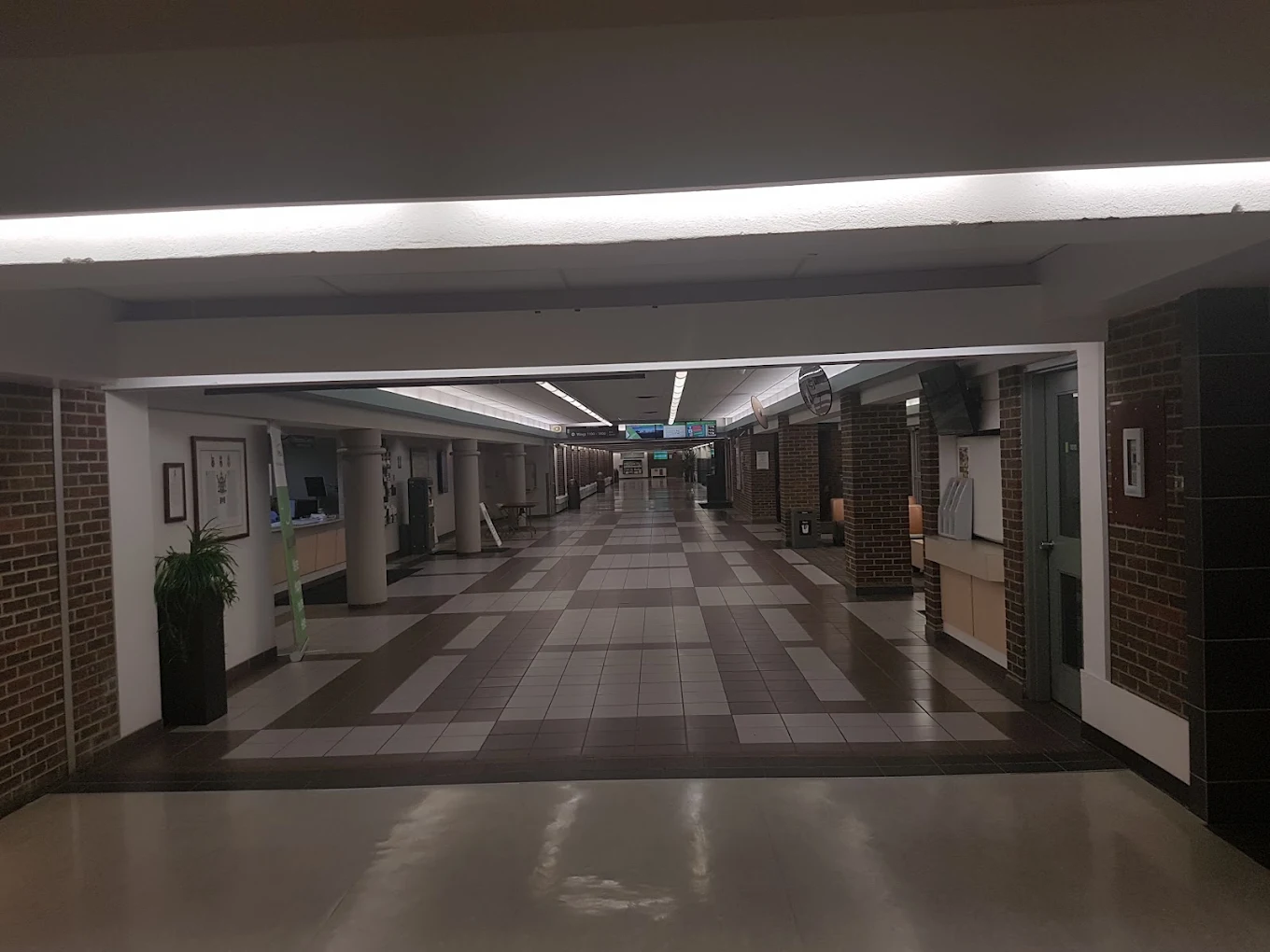
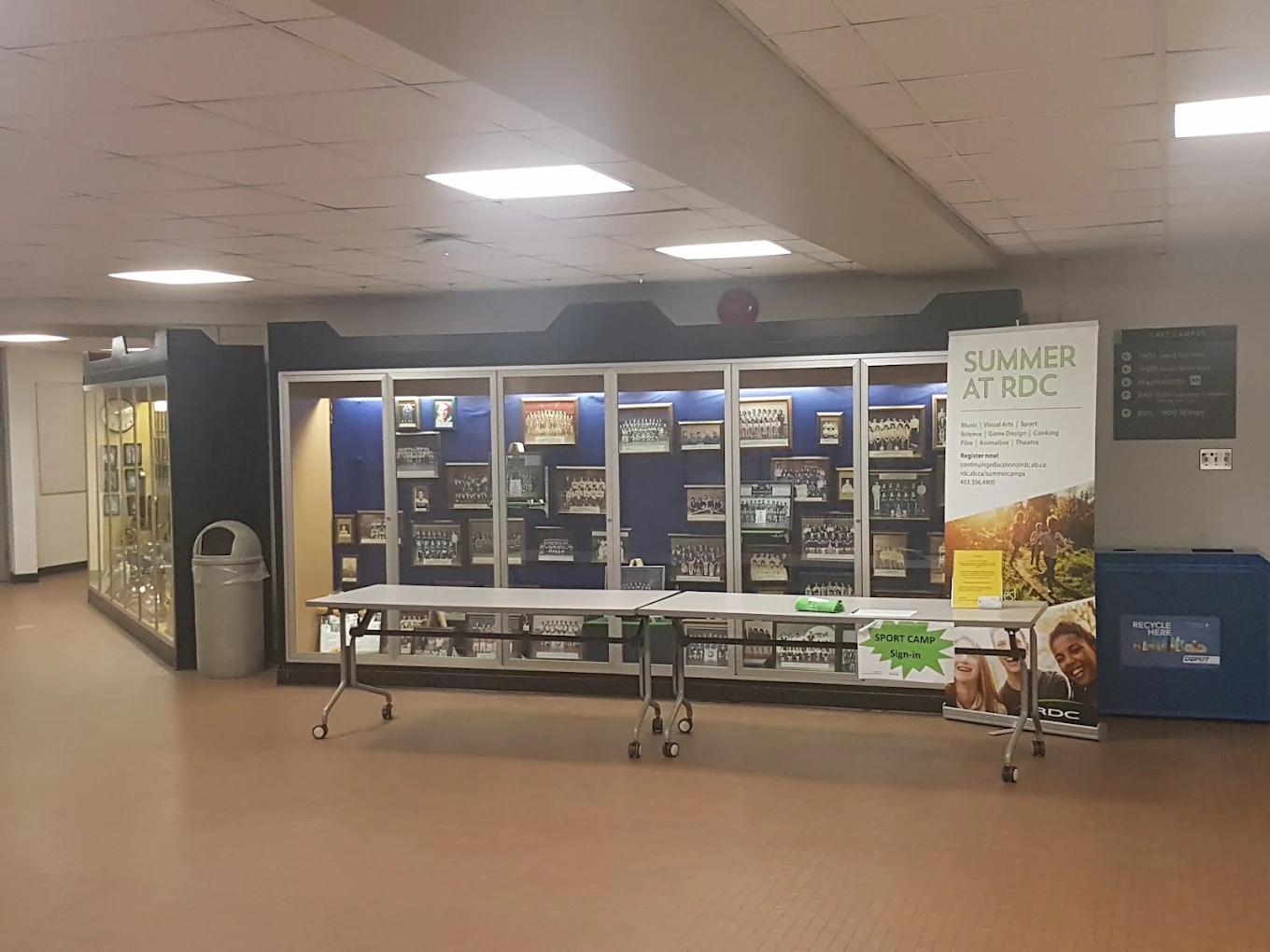
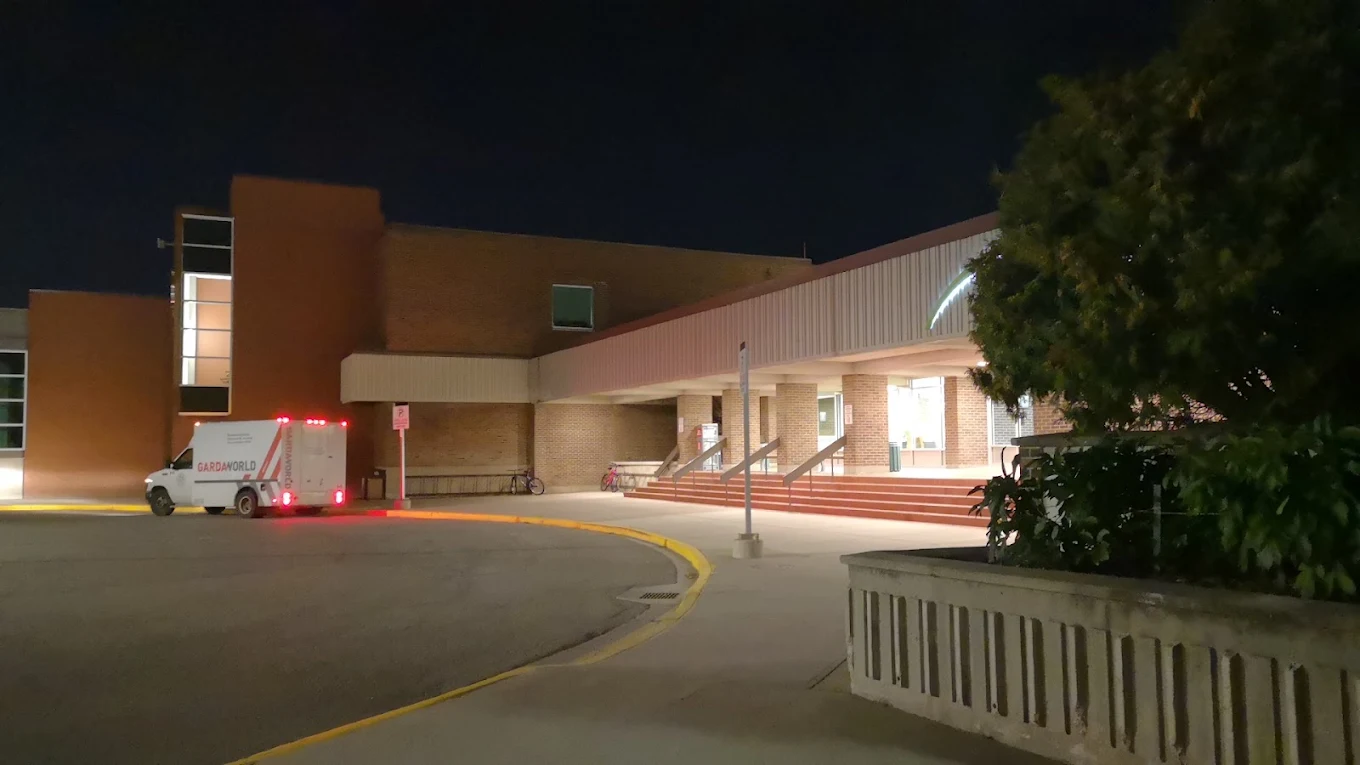
Red Deer Polytechnic is an Alberta public post-secondary institution and a designated learning institution, located in Red Deer, a city of roughly 100,000 people sitting almost exactly midway between Calgary and Edmonton on the province’s main corridor.
Polytechnic status in the Alberta system means an institution that combines applied college training with degree granting authority, and Red Deer uses both. It awards its own bachelor degrees, delivers a large diploma and certificate catalogue, and runs university transfer routes into partner institutions.
The location genuinely matters here. Red Deer is a working commercial and industrial city serving central Alberta, with health services, manufacturing, energy services, agriculture and retail all present, and it is roughly ninety minutes from both major Alberta cities. That gives students a real local job market plus access to two metropolitan areas without living in either.
| Institution | Red Deer Polytechnic (RDP) |
|---|---|
| Type | Alberta public polytechnic |
| Location | 100 College Boulevard, Red Deer, Alberta |
| Programs for international students | 46 |
| Degrees completed on campus | 9 |
| University transfer routes | 4 |
| Tuition | CAD 11,000 to CAD 37,410 per year |
| Application fee | CAD 150, waived on the two online certificates |
| English | IELTS 6.0 to 8.0 depending on program |
| Intakes | September, January and May depending on program |
| Postgraduate programs | None |
Six credential types and why it matters
Most institutions offer two or three credential types. Red Deer offers six, and they are not equivalent for immigration purposes.
| Credential | Count | Completed here? |
|---|---|---|
| Bachelor degrees | 9 | Yes, awarded on campus |
| University transfer routes | 4 | No, degree finishes at a partner university |
| Diplomas | 21 | Yes, non degree credential |
| Certificates | 7 | Yes, non degree credential |
| Advanced diplomas and post-baccalaureate certificates | 4 | Yes, non degree, require a prior degree |
| Academic Upgrading | 1 | Non credential, awards nothing |
The distinction that costs students the most is the first two rows. A university transfer route is described using a degree name and appears alongside the degrees, but it is not a degree you complete here. One or two years are delivered locally, then you move to a partner university for the remainder. Progression is competitive rather than automatic, and the immigration picture spans two institutions and potentially two study permits.
The four transfer routes are Engineering, Fine Art, Kinesiology and Sport Studies, and Elementary Education. The collaborative Bachelor of Science in Nursing is different: all four years run at Red Deer Polytechnic under an arrangement with a partner university that confers the degree, so students stay in one place throughout.
Programs by area
- Health: Practical Nurse in two and three year streams, the collaborative Bachelor of Science in Nursing, Diagnostic Medical Sonography, Pharmacy Technician, Medical Laboratory Assistant, Occupational and Physical Therapist Assistant, Health Care Aide and Medical Office Assistant.
- Business and finance: Business certificate and diploma, the Bachelor of Business Administration, Advanced Diploma in Accounting with and without co-op, Legal Assistant, and Management and Leadership online.
- Technology: Computer Programming, Network Administration, Artificial Intelligence and Data Analytics with and without co-op, and post-baccalaureate certificates in the same field with and without co-op.
- Engineering technology: Mechanical Engineering Technology and Instrumentation and Automation Engineering Technology.
- Education and human services: Bachelor of Education, Early Learning and Child Care certificate and diploma, Educational Assistant, Social Work and Justice Studies.
- Arts, media and science: Bachelor of Applied Arts in Film Production and in Animation and Visual Effects, Visual Art, Culinary Arts, Psychology degrees in arts and science streams, Biological Sciences, Multidisciplinary Studies, University Arts and University Sciences diplomas.
Two areas stand out. Health provision is unusually deep for a polytechnic, spanning nursing at two credential levels, imaging, pharmacy, laboratory and rehabilitation support, all with strong Alberta demand. And the artificial intelligence and data analytics family is offered at four levels, from a two year diploma through to a post-baccalaureate certificate, each with a co-op option.
The nine degrees, and the business one in particular
Nine programs are degrees awarded at this institution, and they are the ones that carry automatic work permit standing:
- Bachelor of Business Administration
- Bachelor of Arts in Psychology
- Bachelor of Science in Psychology
- Bachelor of Science in Biological Sciences
- Bachelor of Arts in Multidisciplinary Studies
- Bachelor of Education
- Bachelor of Applied Arts in Film Production
- Bachelor of Applied Arts in Animation and Visual Effects
- Bachelor of Science in Nursing, collaborative
The Bachelor of Business Administration deserves particular attention. At CAD 16,200 a year it costs barely more than the one year Business certificate at CAD 16,000, about the same as the two year Business diploma at CAD 15,000, and considerably less than a long list of diplomas here including University Sciences at CAD 24,994, Visual Art at CAD 23,625 and Artificial Intelligence and Data Analytics at CAD 23,213.
So a student can pay less per year for a four year degree with automatic work permit standing than for a two year diploma that must pass a field of study check. That comparison changes the recommendation more often than anything else on this page, and Apply Study Visa runs it for every business enquiry to this institution.
Two other degrees are worth flagging as genuinely uncommon. Bachelor of Applied Arts degrees in Film Production and in Animation and Visual Effects are rare at degree level in Canada, where most screen and animation training sits at diploma level. Degree status in those fields carries an immigration advantage that a diploma does not.
Tuition fees
| Program group | Annual tuition (CAD) |
|---|---|
| Online certificates, Medical Office Assistant and Management and Leadership | 11,000 |
| Academic Upgrading, non credential | 13,185 |
| Medical Laboratory Assistant | 14,700 |
| Business Diploma | 15,000 |
| Business Certificate, Legal Assistant | 16,000 |
| Bachelor of Business Administration | 16,200 |
| Most diplomas and certificates | 16,690 to 21,000 |
| Bachelor of Science in Nursing, collaborative | 22,190 |
| Psychology degrees, Multidisciplinary Studies, Bachelor of Education | 22,400 to 22,818 |
| Practical Nurse, both streams | 22,673 |
| Biological Sciences degree, University Sciences diploma | 24,994 to 25,322 |
| Health Care Aide | 25,200 |
| Animation and Visual Effects degree | 27,007 |
| Diagnostic Medical Sonography | 33,600 |
| Instrumentation and Automation Engineering Technology | 37,410 |
| Application fee | 150, waived on the online certificates |
The spread here is the widest of any institution in our Alberta coverage, and the pattern is not intuitive. Some degrees cost less than some diplomas. The most expensive program is a two year engineering technology diploma at CAD 37,410, and the second most expensive is a two year sonography diploma at CAD 33,600, both of which reflect equipment and clinical placement costs rather than academic level.
Do not assume level predicts price here. Compare the specific programs you are considering rather than reasoning from credential type.
Admission requirements
- Most certificates, diplomas and several degrees: completed Grade 12 or equivalent with 50 per cent.
- Health programs, kinesiology, sciences and most transfer routes: Grade 12 with 60 per cent.
- Mechanical Engineering Technology, Engineering transfer, collaborative Nursing, Elementary Education transfer: Grade 12 with 65 per cent.
- Advanced diplomas and post-baccalaureate certificates: a completed four year bachelor degree.
- Academic Upgrading: no minimum percentage is recorded, since the program exists to build academic standing.
- Application fee: CAD 150, waived on the two online certificates.
A 50 per cent entry bar on the Bachelor of Business Administration, both Bachelor of Applied Arts degrees and the Multidisciplinary Studies degree is worth noting. Degree entry that accessible is uncommon in Canada, and combined with the fee level it makes those four the most reachable degree routes in our Alberta coverage.
English requirements, four different tiers
| Programs | IELTS |
|---|---|
| Health Care Aide, Medical Office Assistant, Management and Leadership | 6.0 overall, no band below 5.5 |
| Most diplomas, certificates and degrees | 6.5 overall, no band below 5.5 |
| Early Learning and Child Care certificate and diploma | 6.5 overall, no band below 6.0 |
| Practical Nurse, collaborative Nursing, Sonography, Pharmacy Technician, Medical Laboratory Assistant, Therapist Assistant, Kinesiology | 7.0 overall, no band below 6.5 |
| Bachelor of Education and Elementary Education transfer | 8.0 overall, no band below 7.5 |
The education requirement is exceptional and needs stating plainly. IELTS 8.0 with 7.5 in every band is higher than most Canadian universities ask of anyone, and very few applicants clear it on a first attempt. If teaching is your goal, treat that score as the first hurdle and budget time and test attempts realistically, because no amount of academic strength substitutes for it.
Two further notes. Pharmacy Technician does not accept Duolingo despite requiring only the standard health tier of IELTS 7.0. And Academic Upgrading records no standardised test, since the program itself includes language development.
Cost of living in Red Deer
| Expense | Monthly (approx. CAD) |
|---|---|
| Shared accommodation | 600 to 950 |
| Groceries | 300 to 400 |
| Transport | 80 to 140 |
| Utilities, phone, personal | 200 to 300 |
| Realistic total | 1,180 to 1,790 |
An annual living budget of roughly CAD 15,000 to 21,000 is realistic, meaningfully below Calgary or Edmonton. Alberta has no provincial sales tax, which reduces everyday costs further.
Red Deer’s size is its practical advantage. At around 100,000 people it is large enough to have a genuine part time job market across retail, hospitality, health support and services, while remaining far cheaper than the two major cities ninety minutes away in either direction.
Intakes and deadlines
Intake availability varies widely by program:
- September, January and May: the Business certificate and diploma, both Psychology degrees, Biological Sciences, Multidisciplinary Studies, University Arts, University Sciences, Visual Art, Health Care Aide, the Fine Art transfer and the Elementary Education transfer. The widest choice here.
- September and January: Early Learning and Child Care, Computer Programming, Practical Nurse, Legal Assistant, Medical Laboratory Assistant and the artificial intelligence programs.
- September only: most engineering technology, health imaging, education, film, animation, culinary, justice and social work programs.
- Network Administration uniquely records an April intake alongside September, January and May.
Apply six to nine months ahead. With a CAD 150 non refundable fee, limited seats in the health programs and the deposit to attestation letter to study permit chain, starting late is expensive.
Work permit: which programs actually qualify
This is the section that should drive your program choice at this institution, because the catalogue splits four ways rather than two.
| Group | Count | Position |
|---|---|---|
| Degrees completed here | 9 | Exempt from the field of study rule, no CIP check needed |
| Diplomas, certificates, advanced diplomas and post-baccalaureate certificates | 32 | CIP code must appear on the eligible field of study list |
| University transfer routes | 4 | Qualifying credential completes at another institution |
| Academic Upgrading | 1 | Non credential, no work permit under any circumstances |
Where the risk concentrates. College level business and management programs face the tightest field of study restrictions, which directly concerns the Business certificate and diploma, the Legal Assistant diploma, the Advanced Diploma in Accounting in both versions and the online Management and Leadership certificate. Health, technology and trades fields generally sit in more favourable categories, but every non degree program still needs its individual code checked.
Where students are caught out. The four university transfer routes carry degree names and appear alongside the real degrees. They do not produce a qualifying credential at this institution, and the plan must be mapped across both institutions before any deposit is paid.
Every work permit decision rests with Canadian immigration authorities. Apply Study Visa verifies the position for your specific program and intake, in writing, before you commit money.
Five things to check before you apply
The catalogue contains several items that need confirming rather than assuming. Apply Study Visa checks all of these as standard.
- The two online certificates. Medical Office Assistant and Management and Leadership are the cheapest programs at CAD 11,000 with no application fee, and both are delivered online. Online delivery generally does not support a Canadian study permit or a post graduation work permit. Treat them as professional development rather than immigration routes unless confirmed otherwise.
- Academic Upgrading awards nothing. It is a non credential program of four to twenty four months. It builds prerequisites for entry into a credential program and does nothing else, so the onward program must be identified, confirmed and costed before arrival.
- The accounting fee anomaly. The co-op version of the Advanced Diploma in Accounting is recorded at a lower fee than the version without co-op, which reverses the usual pattern. Confirm both figures before choosing.
- The two Practical Nurse streams. A two year and a three year delivery are offered at the same recorded annual tuition, which means the three year stream costs materially more in total. Choose it for academic reasons, not by assuming the price is equivalent.
- The collaborative nursing arrangement. All four years run locally with the degree conferred by a partner university. Confirm that in writing, since it affects both study permit planning and your registration route.
Spouse work permits
No program at Red Deer Polytechnic carries spousal open work permit eligibility.
Spousal open work permits are limited to master programs of sixteen months or longer and to doctoral programs. This institution offers certificates, diplomas and bachelor degrees only, with no postgraduate provision.
If your financial plan assumed a partner working in Canada, it does not hold here, and that is better established before the deposit than after arrival.
The honest part
The catalogue is uneven. Excellent degree options sit alongside online certificates and a non credential upgrading course. That is not a criticism of the institution, which serves a domestic community with different needs, but it means an international applicant must sort the catalogue carefully rather than picking on price.
Some programs are genuinely expensive. Instrumentation at CAD 37,410 and Sonography at CAD 33,600 are serious commitments, and both are two year diplomas rather than degrees.
Red Deer is a mid sized city, not a metropolis. The South Asian community is modest, the nightlife is limited, and students wanting the scale of Calgary or Toronto will find it quiet. The compensation is cost and access, with both major Alberta cities ninety minutes away.
Winters are cold and long. Budget CAD 300 to 500 for proper clothing before arrival.
Against all that: the degrees are affordable and accessible, health provision is strong, the local economy works, and living costs are well below the big cities.
How to apply
- Identify the credential type first. Degree, diploma, transfer route or non credential. This decides everything downstream.
- If a degree exists in your subject, compare it against the diploma on annual fee. At this institution the degree is frequently cheaper per year.
- Check the CIP code for any non degree program.
- Check the English tier for your specific program, which ranges from 6.0 to 8.0 here.
- Confirm the academic percentage, which is 50, 60 or 65 depending on the program.
- Apply and pay the CAD 150 fee.
- Accept the offer and pay the deposit, which triggers your provincial attestation letter.
- Apply for your study permit and arrange housing early.
Verdict
Red Deer Polytechnic offers some of the most accessible and affordable degree routes in Alberta, wrapped in a catalogue that requires careful sorting.
It works if you take one of the nine degrees. The Bachelor of Business Administration at CAD 16,200 with 50 per cent entry, the two Bachelor of Applied Arts degrees in film and animation, and the collaborative nursing degree are all strong propositions with automatic work permit standing. It also works well for health programs, where Alberta demand is genuine and the training is solid.
It does not work if you pick an online certificate expecting it to support a study permit, if you enrol in Academic Upgrading without a confirmed onward program, if you take a transfer route assuming it completes here, or if you choose a business diploma when the degree costs the same per year.
The single best move at this institution is to check whether a degree exists in your subject before looking at anything else. Nine times in forty six it does, and when it does it is usually the better choice on both cost and outcome.
Frequently asked questions
How much are Red Deer Polytechnic fees for international students?
Tuition runs from CAD 11,000 for the online certificates to CAD 37,410 for Instrumentation and Automation Engineering Technology. Most diplomas sit between CAD 16,000 and CAD 22,000 and the Bachelor of Business Administration is CAD 16,200. The application fee is CAD 150, waived on the two online certificates.
Which Red Deer Polytechnic programs are eligible for a post graduation work permit?
The nine degrees completed at the institution are exempt from the field of study requirement. The thirty two diplomas and certificates depend on their CIP code, the four university transfer routes complete elsewhere, and Academic Upgrading awards no credential and does not qualify.
What IELTS score does Red Deer Polytechnic require?
It varies by program. Most need 6.5 overall with no band below 5.5, health programs need 7.0 with no band below 6.5, Health Care Aide needs 6.0 with 5.5 bands, and both education routes require 8.0 overall with no band below 7.5.
Does Red Deer Polytechnic offer degrees?
Yes, nine completed on campus: Business Administration, Arts and Science Psychology, Biological Sciences, Multidisciplinary Studies, Education, two Applied Arts degrees in Film Production and Animation and Visual Effects, and a collaborative Bachelor of Science in Nursing.
What is the difference between a degree and a university transfer program here?
A degree is completed and awarded at the institution. A transfer route delivers one or two years locally before you move to a partner university to finish, which means the qualifying credential completes elsewhere and progression is not automatic.
Are the online certificates suitable for international students?
They are the cheapest programs at CAD 11,000 with no application fee, but online delivery generally does not support a Canadian study permit or work permit. Confirm the delivery mode and its consequences before treating either as a route to Canada.
What is Academic Upgrading?
A non credential program of four to twenty four months providing high school level coursework to meet program prerequisites. It awards no certificate, diploma or degree and does not lead to a work permit, so it must be planned as a stage before a credential program.
Can my spouse work while I study at Red Deer Polytechnic?
No. Spousal open work permits require a master program of sixteen months or longer or a doctoral program, and this institution offers no postgraduate provision.
What is the Red Deer Polytechnic acceptance rate?
The institution does not publish one. Entry depends on meeting the stated academic percentage, which is 50, 60 or 65 per cent depending on the program, and on seat availability, which is limited in the health programs.
Is Red Deer a good place for Indian students?
It is a mid sized city of roughly 100,000 with lower living costs than Calgary or Edmonton, a real part time job market and both major cities ninety minutes away. The South Asian community is modest and winters are severe, so it suits students prioritising value over scale.
How do I apply to Red Deer Polytechnic?
The simplest route is through the Apply Study Visa portal. We identify the credential type, compare the degree against the diploma in your subject, verify the CIP position for non degree programs, confirm your English tier, and our certified counsellors review and submit your file for free before guiding you through the deposit, the attestation letter, your GIC and your study permit.
Does Apply Study Visa charge for Red Deer Polytechnic applications?
No. Application review and submission through Apply Study Visa is free, including the credential type and work permit checks that matter more at this institution than at most, with the same team supporting your visa, GIC and travel afterwards.
Quick facts
| Type | Public Polytechnic |
|---|---|
| Location | Red Deer, Alberta, Canada |
| Rating | 4.3 out of 5 |
| Application fee | C$150, waived on online certificates |
| Tuition | C$11,000 to C$37,410 per year |
| Cost of living per year | Around C$15,000 to C$21,000 |
| Programs | 46, including 9 degrees |
| English | IELTS 6.0 to 8.0 by program |
| Intakes | September, January, May by program |
| Spouse work permit | Not available on any program |