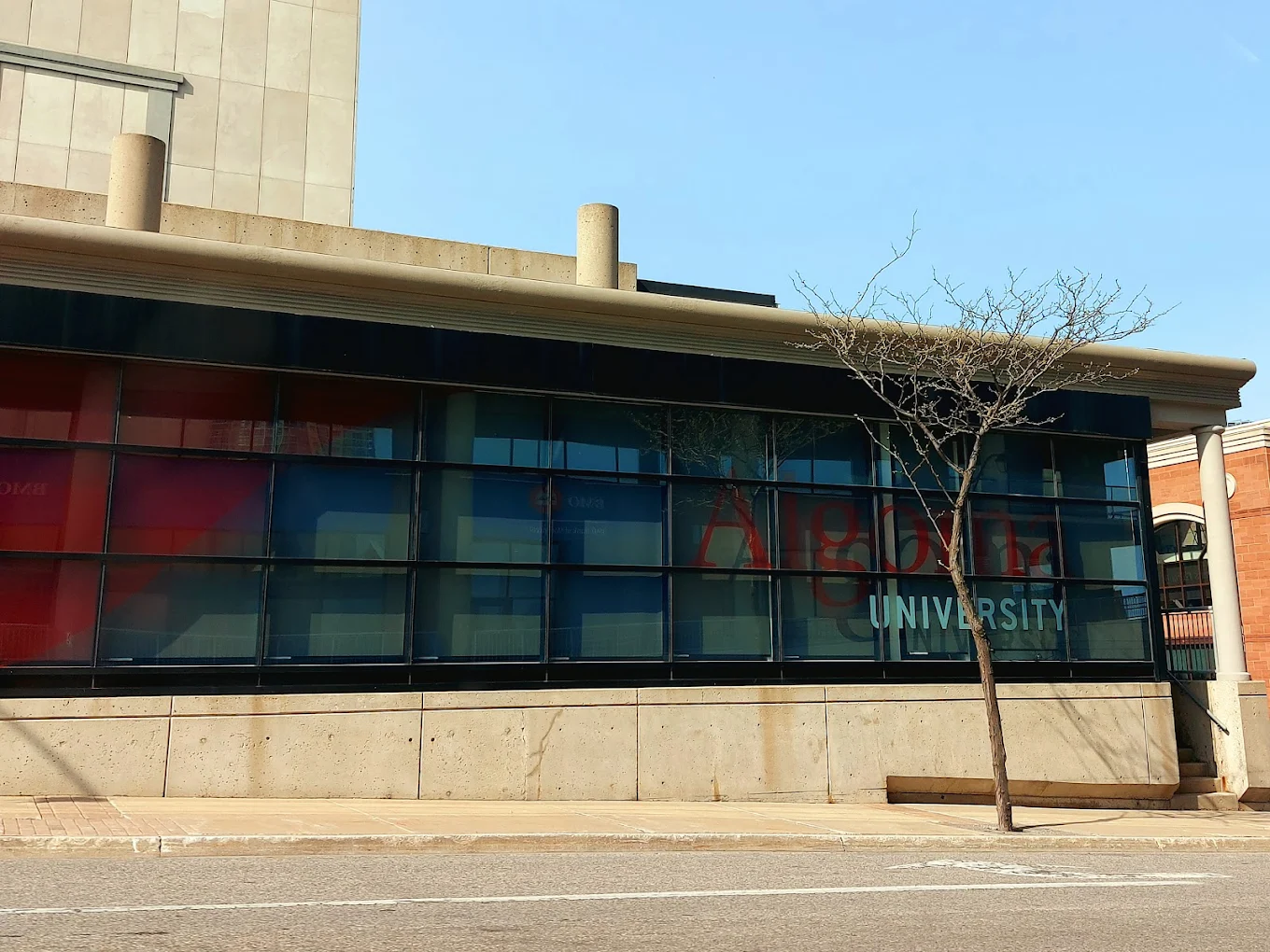

Algoma University is a public Canadian university in Ontario with three campuses — Sault Ste. Marie, Brampton and Timmins — known for small classes, generous scholarships, and a distinctive Special Mission rooted in Anishinaabe cross-cultural learning. This guide answers every major question students search before applying: campuses, courses, fees, IELTS and admission requirements, PGWP eligibility, scholarships, intakes and student life.
What this guide covers
About Algoma University
Algoma University (widely known as Algoma U) is a public, teaching-focused university in Ontario, Canada. It began in 1965 as Algoma University College, affiliated with Laurentian University, and became a fully independent university in 2008 under the Algoma University Act. A 2021 amendment to that Act expanded its authority to offer graduate degrees, certificates and diplomas alongside its bachelor's programs.
What sets Algoma apart is its scale and mission. With just over 5,000 students and small average class sizes, it offers a personal, hands-on learning experience with close access to professors — a genuine contrast to large, lecture-hall universities. Its main campus in Sault Ste. Marie sits on the former site of the Shingwauk Indian Residential School, and the university carries a Special Mission of cross-cultural learning between Anishinaabe (First Nation, Métis and Inuit) communities and students from across Canada and the world.
| University | Algoma University (Algoma U) |
|---|---|
| Type | Public university, Ontario |
| Founded | 1965 (university status 2008) |
| Campuses | Sault Ste. Marie (main), Brampton, Timmins |
| DLI number | O19395422197 |
| Students | Just over 5,000; average class size ~40 |
| Credentials | Bachelor's degrees (3-yr & 4-yr), graduate certificates, master's/PG programs |
| Mascot / spirit | Thunderbirds |
Algoma University campuses and locations
Algoma has three distinct campuses, so it's important to choose the one that fits your program and lifestyle. All three share the same public-university status and DLI.
Sault Ste. Marie campus (main)
The founding, main campus is at 1520 Queen St. East, Sault Ste. Marie, ON P6A 2G4, in Northern Ontario beside Lake Superior and the St. Mary's River. "The Soo" is a friendly city of about 73,000 with a real northern, outdoors-focused lifestyle and lower living costs. This campus offers the widest choice of programs — over 50 across arts, sciences and business — plus facilities like the LEED-certified Essar Convergence Centre, the George Leach Centre for athletics, and the Arthur A. Wishart Library.
Brampton campus (Greater Toronto Area)
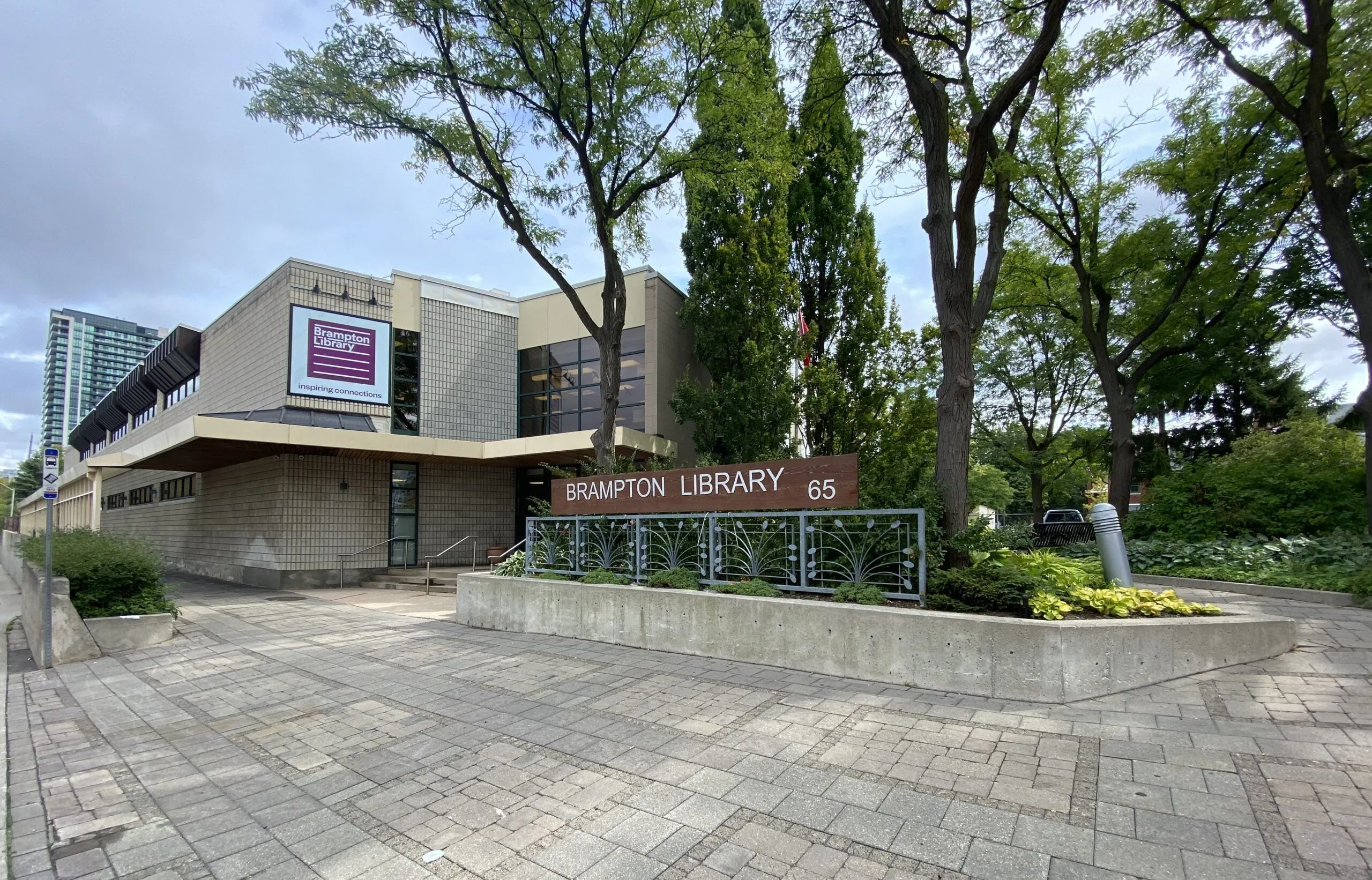
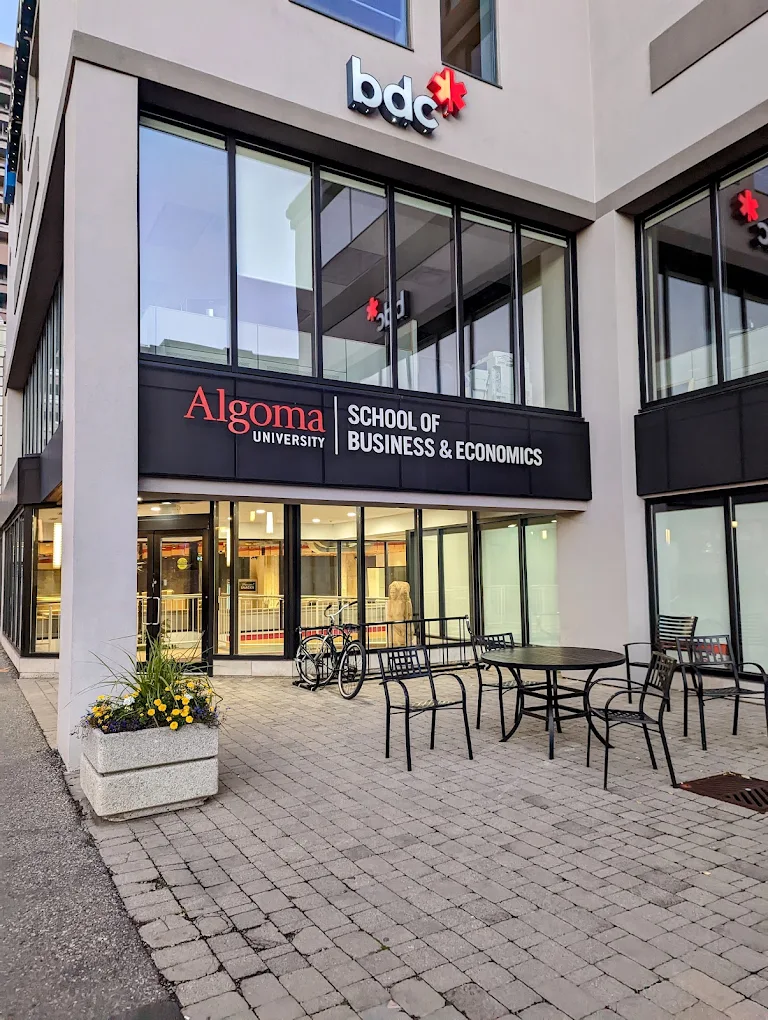
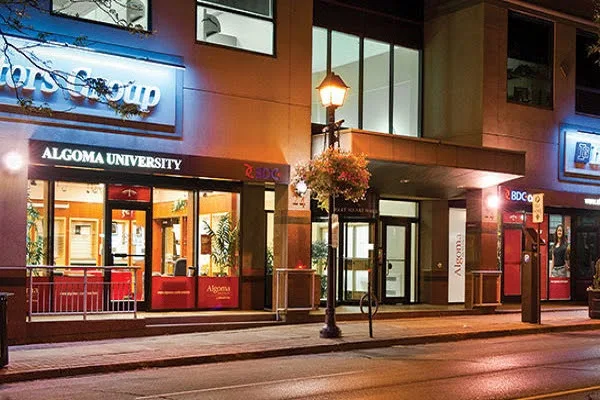
The Brampton campus is at 24 Queen St. East, Brampton, ON L6V 1A3, in the heart of downtown Brampton in the Greater Toronto Area — a fast-growing, multicultural city of over 600,000 right beside Garden Square, with transit, jobs and services on the doorstep. This urban campus focuses on business, computer science, psychology and community development, and is popular with students who want a big-city, GTA setting. Its business programs, including the Bachelor of Business Administration (BBA), are a major draw.
Timmins campus
The Timmins campus is hosted on the Northern College campus and offers a blended-learning, diploma-to-degree and university-transfer pathway, with bachelor's options in areas like social work and community development. It suits students already living or working in Northern Ontario who want to ladder a college diploma into a degree.
Is Algoma University public or private?
Algoma University is a fully public university — not a private college and not a public–private partnership. It is a Designated Learning Institution (DLI #O19395422197), the status international students need for a Canadian study permit. Importantly, all three campuses, including Brampton, are genuine public-university campuses, which matters for post-graduation work rights (see the PGWP section below).
What is Algoma University known for?
A few things stand out about Algoma:
- Small classes and personal support — with around 5,000 students and small class sizes, you get real one-on-one time with professors rather than being one face in a crowd.
- Generous scholarships — Algoma is recognised as one of Canada's most generous universities for entrance scholarships and bursaries, several of which are applied automatically based on your grades.
- Its Special Mission — a genuine focus on Anishinaabe cross-cultural learning and Indigenous history, reflected across campus life and academics.
- Career-focused, hands-on learning — co-op and internship options, experiential projects, and a student-centred approach designed to prepare graduates for work.
Faculties and courses at Algoma University
Algoma delivers programs through faculties including Business and Economics, Computer Science, Sciences, Humanities and Social Sciences, the School of Social Work, and Cross-Cultural Studies. Most offerings are bachelor's degrees (three-year and four-year), with a growing set of graduate certificates and master's-level programs. Popular choices for international students include:
| Program area | Typical credential | Main campus(es) |
|---|---|---|
| Computer Science | Bachelor's (3/4-yr) | Sault Ste. Marie, Brampton |
| Business Administration (BBA) | Bachelor's (3/4-yr) | Brampton, Sault Ste. Marie |
| Psychology | Bachelor's (3/4-yr) | Sault Ste. Marie, Brampton |
| Social Work | Bachelor's | Sault Ste. Marie, Timmins |
| Community Economic & Social Development | Bachelor's | Brampton, Timmins |
| Biology / Sciences | Bachelor's (3/4-yr) | Sault Ste. Marie |
| Economics / Accounting / Finance | Bachelor's | Sault Ste. Marie, Brampton |
| Graduate certificates & PG programs | Post-graduate | Brampton, Sault Ste. Marie |
At the Sault Ste. Marie campus the mix leans toward arts, sciences and business fairly evenly; the Brampton campus tilts strongly toward business, computer science and technology. Program availability changes each intake, so always confirm your exact program is open at your chosen campus.
Admission requirements for international students
Requirements vary by program and campus, but the general pattern for international and Indian students is:
- Bachelor's degrees: completion of Class 12 (10+2) from a recognised board with competitive marks; many programs expect specific subjects — for example, Mathematics for Computer Science, Business and science degrees.
- Graduate certificates / master's: a completed Bachelor's degree, usually in a relevant field, meeting the program's minimum grade.
- English-language proof — see the next section.
Algoma also offers pathway and transfer options, including diploma-to-degree routes (particularly at Timmins) and accelerated business degrees for college graduates at Brampton.
English language requirements (IELTS, PTE, TOEFL, Duolingo)
Algoma accepts the main recognised English tests. As a general guide, undergraduate entry typically requires around IELTS 6.0–6.5 overall (with minimum band requirements), with equivalent PTE, TOEFL iBT and Duolingo scores also accepted; some programs set higher minimums. Students who don't yet meet the score may be able to enter through an English pathway. Always confirm the exact English requirement for your specific program before applying.
Tuition fees for international students
Algoma's international tuition depends on your program and campus. As a broad, recent guide, first-year international tuition sits in the region of CAD $21,000–$23,000 per year for degree programs:
| Campus | Approx. average first-year international tuition |
|---|---|
| Sault Ste. Marie | ~CAD $22,400 / year |
| Brampton | ~CAD $21,100 / year |
The application fee is modest (roughly CAD $50–$125 depending on campus and route). These are indicative averages — always confirm the exact tuition for your specific program on Algoma's official site, as fees change each year.
Cost of living
Budget for roughly CAD $20,000–$23,000 per year for living costs, which is also in line with the funds you must show for a study permit. Sault Ste. Marie and Timmins are noticeably more affordable for rent and daily costs than the Greater Toronto Area; Brampton offers big-city convenience, more part-time work options and a large Indian community, but higher living costs. On- and off-campus housing options are available at each campus.
Scholarships at Algoma University
Scholarships are one of Algoma's biggest strengths — it's recognised as a national leader for the availability and generosity of its awards. Several entrance scholarships are applied automatically based on your admission average, so you don't need a separate application:
| Award | Amount (CAD) | How it's applied |
|---|---|---|
| Chancellor's Award | $5,000 | Automatic (merit-based) |
| President's Award | $2,500 | Automatic (merit-based) |
| Dean's Award | $1,000 | Automatic (merit-based) |
| Award of Excellence | $500 | Automatic (merit-based) |
These entrance awards are open to students of all nationalities and are typically granted based on your grades, with additional bursaries and awards available. Confirm current amounts and eligibility bands on Algoma's official scholarships page, as they can change by intake.
Intakes and application deadlines
Algoma generally offers multiple entry points across the year — commonly September (Fall), January (Winter) and May (Spring) — though available intakes vary by program and campus, with the Brampton campus in particular offering several starts. Popular programs fill early, so apply as soon as applications open; a safe rule of thumb is to apply 4–8 months before your intended start to allow time for your offer, fee payment and study-permit processing.
PGWP eligibility at Algoma University
This is a major advantage of studying at a university rather than a college. The Post-Graduation Work Permit (PGWP) lets eligible graduates work in Canada for up to three years. Since 1 November 2024, most college diploma and certificate graduates must complete a program whose field of study (CIP code) is on IRCC's eligible list — but graduates of bachelor's, master's and doctoral degree programs are exempt from that field-of-study restriction.
Ranking, acceptance rate and reputation
Algoma is a small, teaching-focused university, so it isn't built to chase global research rankings — though it does appear in international tables such as Times Higher Education and QS. Its real recognition lies in teaching quality, small classes and being a national leader for scholarships. On admissions, Algoma does not publish a single official acceptance rate, and third-party estimates vary widely (from roughly 27% to 65%); in practice it is reasonably accessible for well-prepared applicants who meet the program and English requirements, while competitive programs and intakes fill quickly. Treat any headline "acceptance rate" or ranking number with caution and focus on meeting your specific program's requirements.
Student life, housing and support
Student life at Algoma is close-knit and welcoming, with clubs, varsity Thunderbirds athletics, cultural events and strong international-student support. The Sault Ste. Marie campus offers a full campus experience — residences, the George Leach Centre gym and fieldhouse, a student pub and library — in a safe, outdoorsy northern city. The Brampton campus offers an urban, transit-connected experience in the GTA with a large South Asian community nearby, which many Indian students find comfortable for settling in and finding part-time work. Each campus provides accommodation guidance, and international students receive dedicated orientation and advising.
How to apply to Algoma University
- Choose your program and campus, and confirm it is open to international students for your intake.
- Check the academic and English requirements for that specific program.
- Apply through Algoma's international application route (directly or via an authorised representative).
- Submit your documents (transcripts, English test, passport) and pay the application fee.
- Receive your Letter of Acceptance, pay the required tuition deposit, then apply for your study permit — including proof of funds and, where applicable, a GIC.
So, is Algoma University a good choice?
For international students who want a genuine, PGWP-eligible university degree with small classes, strong scholarships and a choice of a big-city (Brampton) or affordable northern (Sault Ste. Marie/Timmins) setting, Algoma University is a credible, student-focused option — and the degree-level PGWP advantage is a real plus over many college pathways. As always, choose your program and campus carefully, confirm current fees and intakes, and make sure your program is open for your intended start before you commit.
Quick facts
| Type | Public University |
|---|---|
| Location | Sault Ste. Marie, Brampton & Timmins, Ontario, Canada |
| Established | 1965 (university status 2008) |
| DLI number | O19395422197 |
| Main campus address | 1520 Queen St. E, Sault Ste. Marie, ON P6A 2G4 |
| Brampton campus | 24 Queen St. E, Brampton, ON L6V 1A3 |
| Application fee | ~CAD $50–$125 |
| Avg. tuition / yr | ~CAD $21,000–$23,000 |
| Cost of living / yr | ~CAD $20,000–$23,000 |
| PGWP | Degree graduates eligible (field-of-study exemption) |
Thinking about applying to Algoma University?
Talk to a certified study-abroad counsellor to pick the right campus and program, confirm current fees and scholarships, and check PGWP eligibility before you apply.
Do reach Out Apply Study Visa at +91 783-783-4800