London Metropolitan University accepts the Duolingo English Test at 105 on 186 of its 219 courses. We checked every one individually.
You will not find that on a single competing page. They list IELTS, they list TOEFL, they list PTE, and they leave Duolingo out entirely. For a test that is cheap, quick and taken at home, that omission sends applicants to sit an exam they did not need.
The other side matters just as much. Thirty three courses refuse Duolingo outright, and they are not randomly scattered. Nursing, social work, dietetics, physiotherapy, biomedical science and most of the language teaching routes all require IELTS. Knowing which list your course sits on before you book a test is worth a few hundred pounds and several weeks.
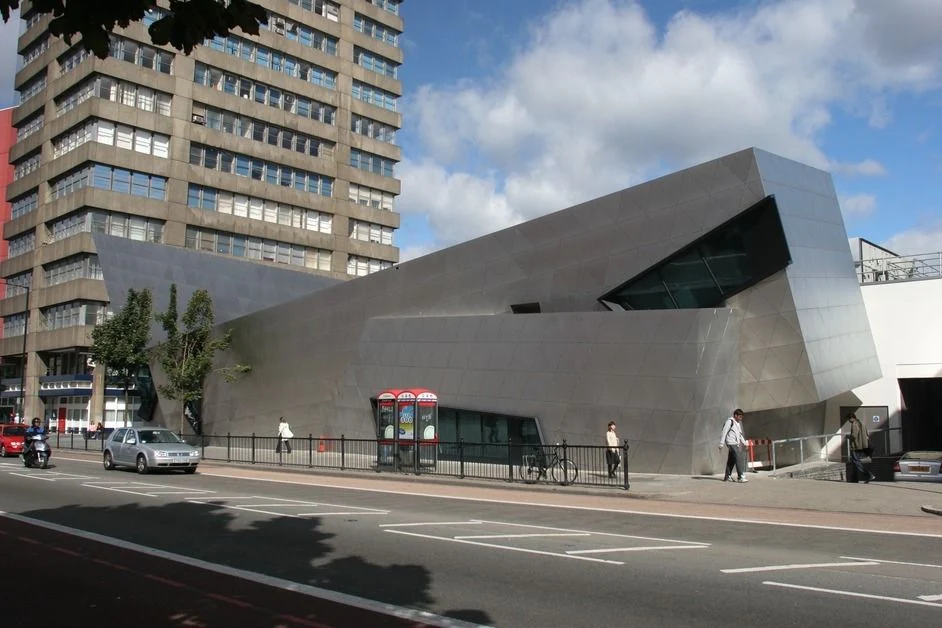
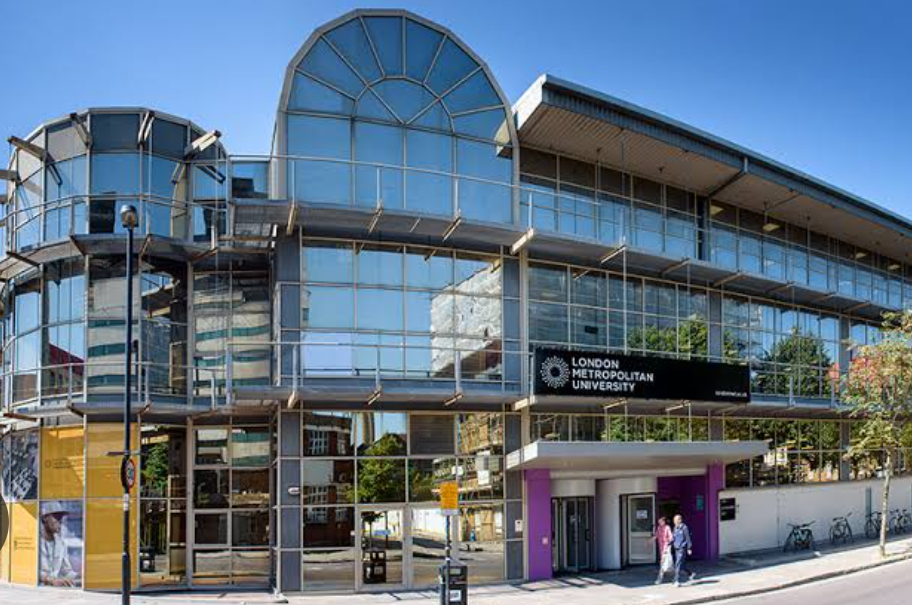
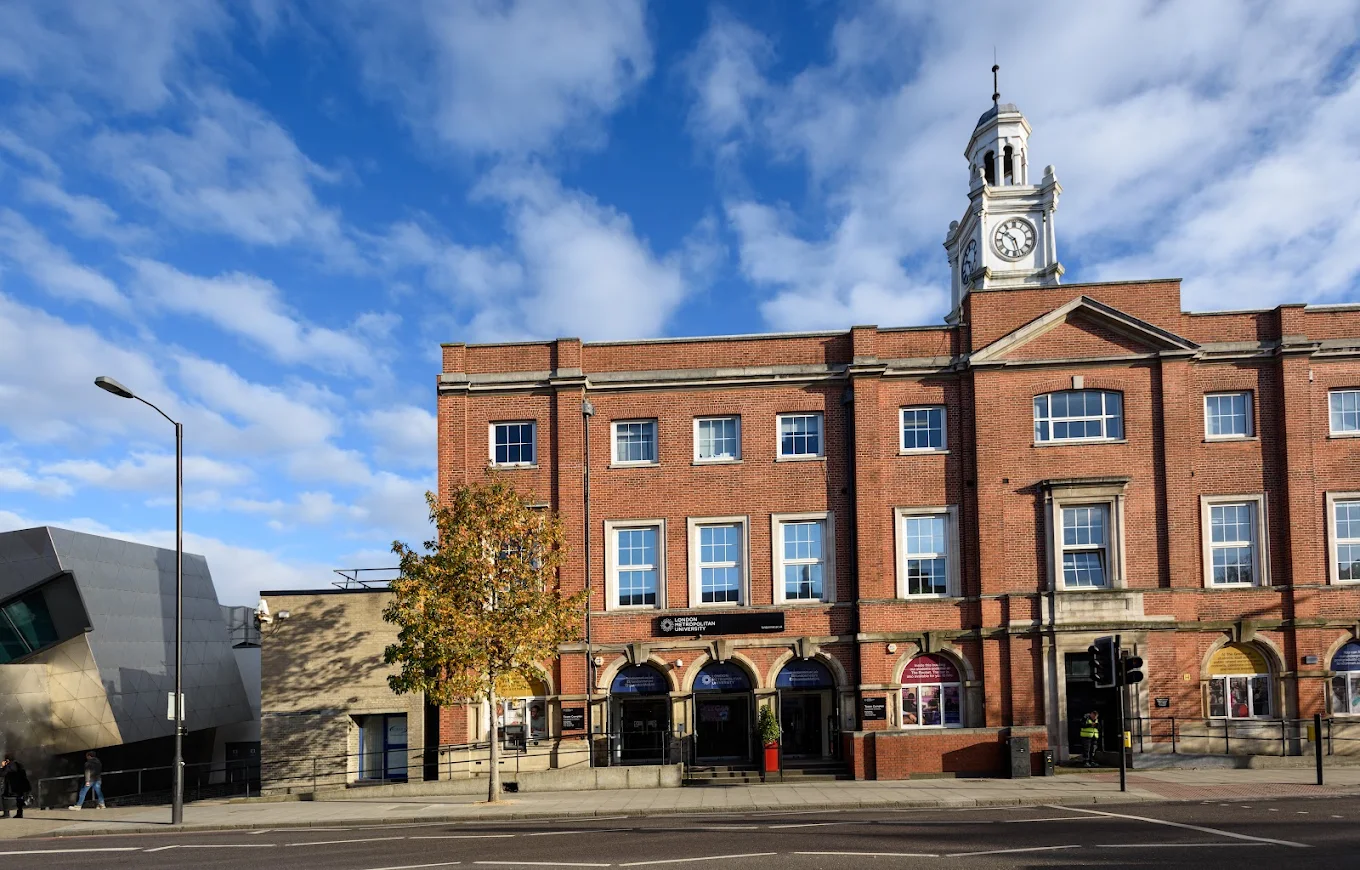
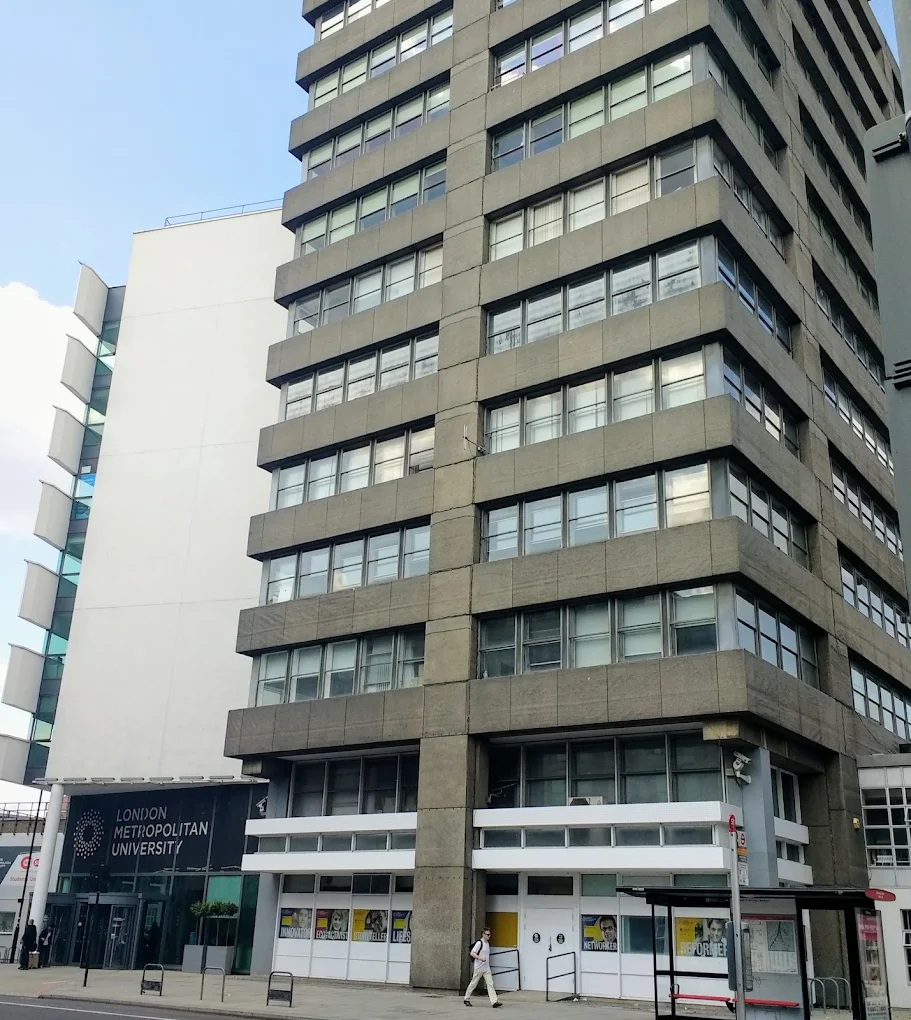
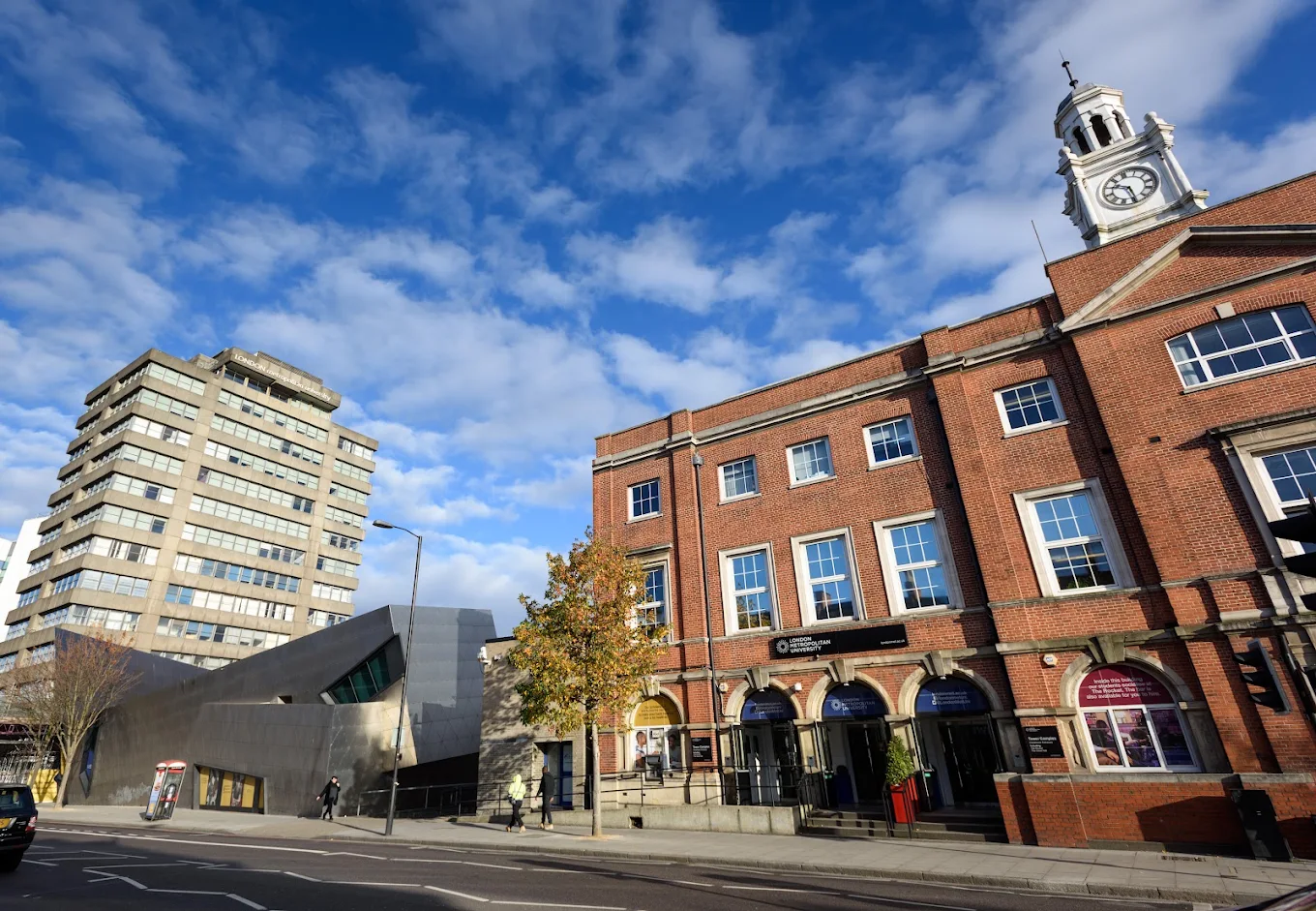
London Met is a public university in the capital, based on Holloway Road in Islington. It offers 219 courses to international students: 136 bachelor degrees, 62 masters, fifteen postgraduate certificates, four postgraduate diplomas, a doctorate and one certificate of higher education.
Two more things shape every application here.
The entry bar is low and flat. One hundred and sixty seven of the 219 courses ask 60 percent. Thirty nine ask 55, twelve ask 50, and one asks 45. Nothing asks above 60. Among London universities that is unusual, and it is the real reason this institution suits applicants whose marks fall short elsewhere.
And the published fee figures are wrong almost everywhere. Several widely read pages quote GBP 9,250, which is the home student fee, not the international one. International tuition here runs GBP 5,000 to GBP 24,500, with 138 of the 219 courses priced at exactly GBP 19,500.
🎓 Quick Fact: Six courses here carry no post-study work route at all, while thirteen PGCE teacher training courses do, despite being certificates rather than degrees. That distinction is written into the immigration rules and almost nobody explains it.
What this guide covers
- The Duolingo question, answered properly
- About London Metropolitan University
- Real fees, not the home student figure
- Entry requirements: why 60 percent matters
- English requirements in full
- The Graduate Route, and the six exceptions
- PGCE: a one year route to teaching
- The cheapest routes into a UK qualification
- All 219 courses by level
- What London Met actually teaches
- Regulated courses and protected titles
- The India Bright Futures Scholarship
- Intakes and deadlines
- Rankings, and why the numbers conflict
- Cost of living in London
- Can you bring your family?
- What other London Met pages get wrong
- How to apply
- Is London Met right for you?
- Common questions about London Met
1. The Duolingo Question, Answered Properly
If your subject sits in that second group, plan for IELTS Academic from the outset and leave room for a retake. If it sits in the first, Duolingo will save you both money and several weeks of scheduling.
2. About London Metropolitan University
| Detail | Information |
|---|---|
| Institution | London Metropolitan University, public, formed 2002 |
| Campus | Holloway Road, Islington, central London |
| Courses for international students | 219, the largest catalogue we have audited |
| International tuition | GBP 5,000 to 24,500 a year |
| Most common fee | GBP 19,500, on 138 of the 219 |
| Typical entry | 60 percent on 167 courses |
| Application fee | None |
| Duolingo | Accepted at 105 on 186 courses |
| GMAT or GRE | Not required on any course |
3. Real Fees, Not the Home Student Figure
| Annual tuition (GBP) | Courses | Typically |
|---|---|---|
| 5,000 to 8,260 | 3 | Translation certificates and the law conversion |
| 10,000 to 13,700 | 4 | Postgraduate diplomas and the counselling masters |
| 16,200 to 18,700 | 17 | The cheaper masters, PGCE early years, the MPhil |
| 19,500 | 138 | Nearly two thirds. Most bachelor degrees and PGCEs |
| 20,000 to 21,000 | 56 | Most masters, plus nursing and physiotherapy |
| 22,000 to 24,500 | 2 | The dearest. Accelerated primary education, the Executive MBA |
4. Entry Requirements: Why 60 Percent Matters
| Marks required | Courses | Which |
|---|---|---|
| 60 percent | 167 | Nearly everything, undergraduate and postgraduate alike |
| 55 percent | 39 | The foundation year routes |
| 50 percent | 12 | The top-up degrees, entering from a diploma |
| 45 percent | 1 | The lowest bar here. The business certificate |
5. English Requirements in Full
| Band | Courses | IELTS | TOEFL | Duolingo |
|---|---|---|---|---|
| Standard | 186 | 6.0, no band below 5.5 | 72 | 105 accepted |
| Higher | 18 | 6.5, no band below 6.0 | 72 | Refused |
| Clinical | 7 | 7.0, no band below 6.5 | 72 | Refused |
| Nursing and writing | 3 | 7.0 with a specified writing band | 72 | Refused |
The overwhelming majority of courses sit at IELTS 6.0 with nothing below 5.5, which is among the more reachable requirements in London. Note that the TOEFL overall of 72 stays constant across every band, with the component minimums doing the work instead.
6. The Graduate Route, and the Six Exceptions
The UK Graduate Route gives international graduates two years of unsponsored work after a degree, with no job offer or employer needed. Doctoral graduates receive three. Unlike Canada, eligibility does not depend on your subject; it depends on what qualification you hold.
| Qualification | Courses | Graduate Route |
|---|---|---|
| Bachelor and master degrees | 198 | Two years |
| PGCE teacher training | 13 | Two years. Named exception in the rules |
| Graduate Diploma in Law | 1 | Two years. Validated law conversion qualifies |
| Doctorate | 1 | Three years |
| Certificates and diplomas | 6 | Likely none. Not degrees |
7. PGCE: A One Year Route to Teaching
London Met runs thirteen PGCE routes, which is a substantial teacher training operation and the single most distinctive thing in this catalogue.
| Phase | Routes | Fee |
|---|---|---|
| Early years and 3 to 7 | 2 | GBP 17,600, the cheapest |
| Primary, including Key Stage 2 and a SEND specialism | 3 | GBP 19,500 |
| Secondary: mathematics, physics, chemistry, biology, computer science, modern languages, English | 8 | GBP 19,500 |
8. The Cheapest Routes into a UK Qualification
| Course | Fee | Post-study work |
|---|---|---|
| PGCert Specialised Translation | GBP 5,000 | Likely none |
| PGCert Translation Technology | GBP 5,500 | Likely none |
| Graduate Diploma in Law | GBP 8,260 | Two years |
| MSc Counselling and Psychotherapy | GBP 10,000 a year, two years | Two years |
| MSc Dietetics and Nutrition | GBP 16,200 | Two years |
9. All 219 Courses by Level
| Level | Count | Typical entry |
|---|---|---|
| Bachelor degrees | 136 | 60 percent, or 55 with a foundation year |
| Master degrees | 62 | A bachelor degree at 60 percent |
| Postgraduate certificates | 15 | Thirteen are PGCE teacher training |
| Postgraduate diplomas | 4 | Includes the law conversion |
| Doctorate and certificate | 2 | The DBA and the business CertHE |
Browse every course with its fee and entry requirement on our London Met courses and fees page.
10. What London Met Actually Teaches
| Cluster | Courses | Includes |
|---|---|---|
| Business and finance | 48 | MBA, Executive MBA, accounting, banking, economics, HR, marketing |
| Health and biosciences | 37 | Nursing, physiotherapy, dietetics, biomedical science, pharmacology |
| Media and languages | 32 | Journalism, film, theatre, fashion, translation, interpreting |
| Computing and cyber | 31 | Computer science, cyber security, AI, data, games, cryptography |
| Education | 24 | Thirteen PGCE routes plus education studies degrees |
| Engineering and built environment | 23 | Robotics, electronics, construction, surveying, real estate |
| Law and criminology | 15 | LLB routes, the law conversion, criminology combinations |
11. Regulated Courses and Protected Titles
| If you want to be a | The degree alone is not enough |
|---|---|
| Dietitian | HCPC registration through an approved programme. Human Nutrition is a different profession and not protected |
| Biomedical Scientist | An IBMS accredited degree plus a training portfolio in an approved laboratory. Medical Bioscience is not the same route |
| Pharmacist | An accredited MPharm and GPhC registration. None of the three pharmacy related degrees here qualifies |
| Psychologist | BPS accreditation, which joint degrees frequently lack. Doctoral training follows |
| Solicitor | The SQE plus two years of qualifying work experience |
| Police officer | Citizenship or settled status. The policing degree does not confer it |
12. The India Bright Futures Scholarship
13. Intakes and Deadlines
| Intake | Courses offering it |
|---|---|
| September | 216 of 219 |
| January | 83, an unusually strong second intake |
| February | 1 |
Across 593 entry windows, September 2026 has already started and is closed. The earliest available entry is January 2027. Apply six to nine months ahead, and earlier for nursing, physiotherapy and the PGCE routes where placement capacity limits numbers.
14. Rankings, and Why the Numbers Conflict
What can be said with more confidence is that London Met is a modern post-1992 university that performs well on measures of teaching quality, social inclusion and value added, and less well on research intensity and global reputation tables. If you are choosing on prestige, this is not the institution for that. If you are choosing on access, location and cost, it competes strongly.
15. Cost of Living in London
| Item | Approximate monthly cost (GBP) |
|---|---|
| Accommodation, halls or shared house | 900 to 1,250 |
| Food and household | 250 to 350 |
| Travel, phone and personal spending | 200 to 300 |
| Realistic annual total | 16,200 to 22,800 |
The counterweight is the part time work market. London has more student level employment than anywhere else in the country, and your visa permits 20 hours a week during term. That does not close the gap, but it narrows it in a way a smaller city cannot.
16. Can You Bring Your Family?
17. What Other London Met Pages Get Wrong
| Commonly published | What we found |
|---|---|
| Tuition quoted as GBP 9,250 | That is the home student fee. International tuition runs GBP 5,000 to 24,500 |
| English requirements with no mention of Duolingo | Duolingo 105 is accepted on 186 courses. Omitting it sends people to the wrong test |
| “Acceptance rate 84 percent” | UK universities do not publish these. Admission is per course, on marks and English |
| Rankings given as settled facts | Sources disagree by 60 places on the same measure and year |
| Certificates and diplomas listed beside degrees | Six of them may carry no Graduate Route, and nobody says which |
| Entry given as a single figure | It varies from 45 to 60 percent, and nothing here asks above 60 |
18. How to Apply to London Metropolitan University
Applying through Apply Study Visa is free, and London Met charges no application fee, so the application itself costs nothing.
- Check whether your course accepts Duolingo before booking any English test. On 186 of 219 it does, at 105.
- If your course is clinical or scientific, plan for IELTS and build in retake time.
- If you want a PGCE, ask about international eligibility in writing before anything else.
- If a certificate or diploma attracts you on price, confirm the Graduate Route position first.
- We handle the CAS request, financial evidence and visa submission alongside you from offer to decision.
The three costliest mistakes here are sitting IELTS when Duolingo would have done, budgeting on the home student fee, and choosing a cheap certificate without checking what it leads to. Check your eligibility free, or read our UK student visa guide.
🛂 Applying for a UK student visa? ApplyStudyVisa.com manages a London Met application end to end, from assessing your transcript through the offer, deposit, CAS and visa decision. Speak to our Ludhiana office for a free assessment.
19. Is London Met Right for You?
This university does one thing better than almost any other in London: it lets people in. One hundred and sixty seven courses ask 60 percent, nothing asks more, 186 accept Duolingo, applying is free, and the January intake covers 83 courses. Add an automatic GBP 5,000 scholarship for Indian students and a genuinely central London address, and the case makes itself for the right applicant.
The costs are real too. London living runs GBP 16,000 to 23,000 a year on top of tuition, the rankings are modest, dependants are barred on all but one course, and six courses may carry no post-study work route at all.
It suits you if
- Your marks are around 55 to 60 percent and other London universities are refusing you.
- You hold a Duolingo score of 105 and would rather not sit another test.
- You want a January start rather than waiting for September.
- You already hold a degree and want a PGCE or the law conversion.
- You want to be in London itself, not a commuter town outside it.
It does not suit you if
- You are choosing on global rankings. This is a modern university, not a research powerhouse.
- You need to bring a spouse or child, unless you take the doctorate.
- Your budget cannot absorb London living costs alongside tuition.
- You are aiming at a regulated profession without checking accreditation for your exact course.
- You are drawn to a cheap certificate primarily as a visa route.
20. Common Questions About London Met
Q: Does London Metropolitan University accept Duolingo?
Yes, at 105, on 186 of the 219 courses, with no component minimum. Thirty three refuse it, mainly the clinical, scientific and language teaching routes including nursing, social work, dietetics, physiotherapy and the LLB in Law.
Q: What are London Metropolitan University fees for international students?
GBP 5,000 to 24,500 a year, with 138 of the 219 courses at exactly GBP 19,500. Ignore any page quoting GBP 9,250, which is the home student fee rather than the international one.
Q: What marks do I need for London Met?
Sixty percent on 167 of the 219 courses, and nothing here asks above 60. Foundation routes take 55 percent, top-up degrees take 50, and one certificate takes 45.
Q: What IELTS score does London Met require?
IELTS 6.0 with no band below 5.5 on 186 courses. Eighteen ask 6.5 with nothing below 6.0, seven ask 7.0 with nothing below 6.5, and adult nursing asks 7.0 with 6.5 in writing.
Q: Is the London Met acceptance rate really 84 percent?
Treat that figure carefully. British universities do not publish acceptance rates the way American ones do. Admission is decided course by course on your marks, English score and any portfolio or interview.
Q: Does a PGCE qualify for the Graduate Route?
Yes. Although a PGCE is a certificate rather than a degree, UK immigration rules name it specifically as an eligible qualification, so it carries the full two years. Validated law conversion courses qualify on the same basis.
Q: Which London Met courses carry no post-study work rights?
Six: the Certificate of Higher Education in Business Management, three postgraduate diplomas and two translation certificates. None is a degree, and the Graduate Route is built around degrees. Confirm the position in writing before paying.
Q: What scholarship can Indian students get at London Met?
The India Bright Futures Scholarship, worth GBP 5,000, applied automatically with no separate form. It excludes postgraduate certificates, diplomas, pre-masters, foundation and short courses.
Q: Does London Met have a January intake?
Yes, and an unusually strong one. Eighty three of the 219 courses offer January entry, against 216 for September. If you miss the main cycle you wait four months rather than a year.
Q: What is the cheapest course at London Met?
The PGCert Specialised Translation at GBP 5,000, though it may carry no Graduate Route. The best value with full work rights is the Graduate Diploma in Law at GBP 8,260, which is a validated conversion course and qualifies.
Q: Can I bring my family to London Met?
Not on 218 of the 219 courses. UK rules from January 2024 bar dependants on taught study. The Doctor of Business Administration is the only exception, because doctoral research is treated differently.
Q: Does Apply Study Visa charge for London Met applications?
No. Counselling, document review and submission are free, as is checking which English test your course accepts and whether it carries post-study work rights. Universities pay our fee, which is exactly why we will tell you when a cheap course leads nowhere.
✅ Confirm before you pay. Check whether your specific course accepts Duolingo before booking any test. Budget on the international fee, not the GBP 9,250 home rate. For a PGCE, get international eligibility in writing. For any certificate or diploma, confirm the Graduate Route position with the university and UKVI. For a regulated profession, verify accreditation for your exact course rather than the subject. Course details cover all 219 London Met courses open to international applicants and were checked in September 2026. UK immigration rules, tuition and living costs change regularly.